

Package
General Abdominal Ultrasound
Detailed ultrasound examinations of the upper and lower abdominal organs to assess structural integrity, detect pathology, or monitor known conditions.
Liver, Gallbladder & Biliary Tract
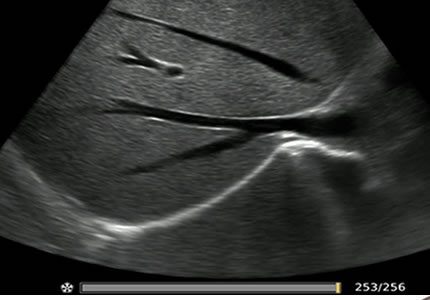
- Upper Abdominal Survey This detailed examination evaluates the size, structure, and health of the major organs in the upper abdomen. We assess the liver for fatty changes (steatosis) or cirrhosis, and screen the gallbladder and bile ducts for gallstones, inflammation, or obstructions that can cause sharp post-meal pain or jaundice. The survey also includes a structural review of the pancreas for cysts or signs of pancreatitis, and the spleen to check for enlargement (splenomegaly) following infection or trauma. By assessing these organs together, we can provide a complete diagnostic picture of the upper digestive and vascular systems.
- £200
- Ideal for: Investigations into abnormal Liver Function Tests (LFTs), right-sided pain, persistent bloating, indigestion, or monitoring known gallstones and fatty liver.
- This targeted scan assesses the liver’s size, surface contour, and internal texture (echotexture). It is highly effective at identifying "fatty liver" (steatosis), inflammation, or focal lesions. For those with known chronic conditions, we provide dedicated surveillance to monitor for signs of cirrhosis or structural changes, ensuring a clear diagnostic pathway for your GP or Consultant.
- £150
- Ideal for: Abnormal liver function tests (LFTs), fatty liver screening, right-sided abdominal pain, and ongoing cirrhotic monitoring.
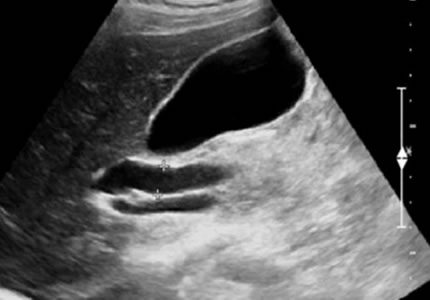
- This scan detects gallstones, polyps, "biliary sludge," or inflammation within the gallbladder (cholecystitis). We also evaluate the bile ducts for any signs of blockage, dilation, or structural changes. This is a vital investigation for patients experiencing sharp pain after eating, persistent indigestion, or jaundice.
- £150
- Ideal for: Suspected gallstones or polyps, sharp upper-abdominal pain, and post-meal discomfort.
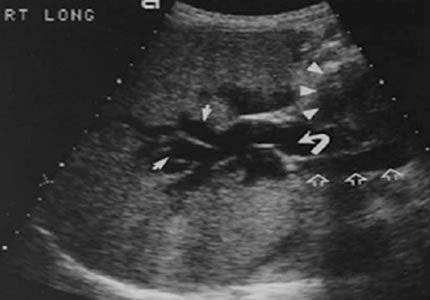
- A focused scan for patients experiencing jaundice or those with a history of biliary surgery. We look for obstructions or postoperative complications to ensure the digestive system is flowing correctly.
- £150
- Ideal for: Jaundice, follow-up after gallbladder surgery, and persistent biliary symptoms.
Pancreas & Spleen
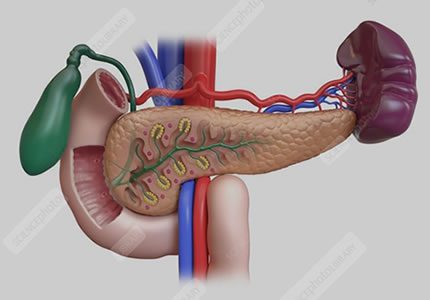
- This combined assessment evaluates the pancreas for cysts, inflammation (pancreatitis), ductal dilation, or structural changes that may suggest a digestive obstruction. We also measure the spleen to check for enlargement (splenomegaly), internal texture changes, or signs of past infection. This survey is particularly useful for identifying the cause of persistent pain in the upper-left or central abdomen.
- £150
- Ideal for: Deep-seated abdominal pain, suspected pancreatitis, left-sided discomfort, and comprehensive digestive health reviews.
- This targeted scan assesses the pancreas for cysts, inflammation (pancreatitis), or ductal dilation that may suggest a digestive obstruction or malignancy. By using high-resolution imaging, we can identify subtle structural changes, mass lesions, or calcifications that are often the cause of deep-seated, persistent pain in the upper-central abdomen.
- £150
- Ideal for: Investigating deep abdominal or mid-back pain, suspected pancreatitis, unexplained weight loss, or follow-up of known pancreatic cysts
- Detects splenomegaly, infarcts, trauma, cysts, and accessory spleens. Indicated in haematological conditions or systemic infections.
- £150
Renal & Urinary Tract
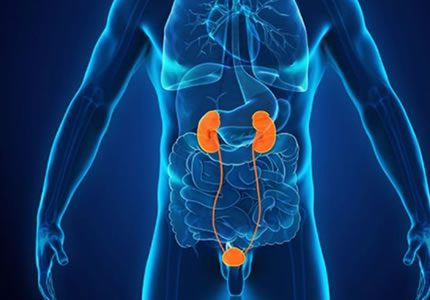
- A comprehensive evaluation of both kidneys to screen for stones, cysts, and structural anomalies. It is an essential investigation for recurrent urinary tract infections (UTIs), "flank" (side) pain, or changes in kidney function.
- £150
- Ideal for: Side pain, recurrent UTIs, and monitoring kidney health.
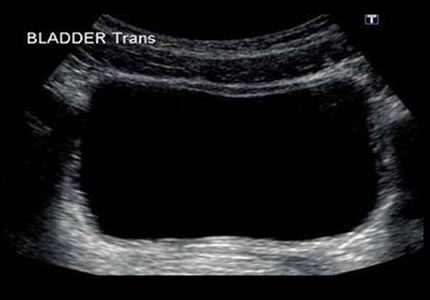
- We assess the thickness of the bladder wall and check how well the bladder empties after use (post-void residual). This is particularly useful for investigating symptoms like a frequent urge to go or a feeling of incomplete emptying.
- £100
- Ideal for: Urinary retention, frequent infections, and bladder function checks.
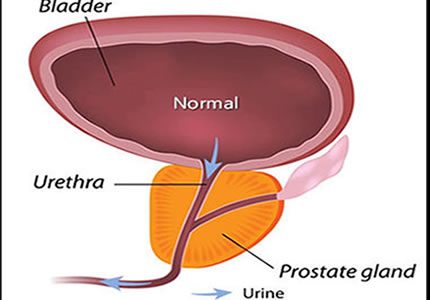
- A non-invasive, external measurement of the prostate. This provides a clear picture of the size and symmetry of the gland, helping to explain lower urinary tract symptoms in men.
- £150
- Ideal for: Men with urinary frequency or "stop-start" flow.
Abdominal Aorta
- AAA (Abdominal Aortic Aneurysm) Screening A vital scan that measures the diameter of the aorta—the main blood vessel in the body. This screening is highly recommended for men over 65 and anyone with a family history of aneurysms to detect any early signs of swelling.
- £150
- Ideal for: Routine screening for men 65+, smokers, or those with a family history.
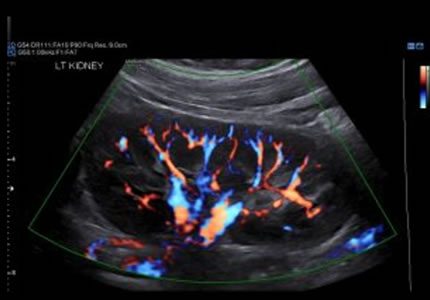
- A specialist check using Doppler ultrasound to look at the blood flow to the kidneys. This screens for narrowing in the arteries, which can sometimes be an underlying cause of high blood pressure.
- £300
- Ideal for: Investigating secondary causes of high blood pressure.
Additional Applications
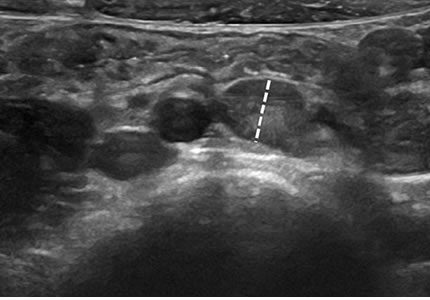
- A check of the lymph nodes within the abdomen, which can often become enlarged due to infection or inflammatory conditions like IBS or IBD.
- £180
- Ideal for: Investigating abdominal pain in young adults, or inflammatory bowel concerns.
- A dedicated evaluation following abdominal surgery to check for fluid collections (haematomas) and ensure internal structures are healing correctly.
- £200
- Ideal for: Peace of mind and recovery tracking after surgery.